Patients, not paperwork.
That's the belief behind everything we build: clinician time belongs with patients, not charts. Scribe-X pairs more than a decade of scribing experience with adaptive automation to carry the work around the visit.
Relief alone is too small a standard.
When clinicians are well supported, they take better care of themselves, their teams, and their patients. That belief started Scribe-X in 2013, when the work was recruiting, training, and staffing at-the-elbow scribes to address provider burnout.
Better support did more than lift morale. It expanded patient access, improved coding and quality capture, and shortened time to bill. As the technology improved, so did the model: skilled teams, adaptive automation, and the workflow around the visit carried end to end.
Too much of the burden still sits with the provider. The chart that was never prepared. The follow-up nobody resolved. The inbox work that comes back at the end of the day. The clinical, operational, and financial value lost whenever an encounter goes unsupported.
Provider relief still matters. But relief on its own is too small a standard to build a company around. Support should reduce burden and produce measurable clinical, operational, and financial results.
Where we started
We started as scribes.
More than a decade of trained humans inside real visits, learning medicine one provider at a time. Documentation was carried by people who understood it.
What changed
Then AI made the note fast.
Ambient AI swept through healthcare, and we embraced it. But the industry stopped at the note, and handed the checking, the coding, and the follow-through back to providers.
Where it's going
So we built the platform that carries both.
The Clinical Intelligence Platform pairs adaptive automation with trained people across the whole visit, set per provider. A tool and a team, working as one.
Quality, adaptability, innovation, and value that shows up on the books.
Four commitments that decide what we build and what we refuse to ship.
Quality comes first.
Healthcare does not forgive weak records for long. Incomplete documentation, thin chart prep, and loose follow-through never stay contained to the note. They shape clinical decisions, care team coordination, coding accuracy, and how much of the encounter an organization can actually capture.
A model has to survive the clinic.
Providers, specialties, and care settings each bring their own documentation demands and constraints, and support that can't adjust to them stops being useful fast. The platform shapes itself around how care actually runs, and trained people make sure the output reflects the provider, the workflow, and the visit.
Technology earns its place by removing friction.
Healthcare already has plenty of tools that add handoffs, create review work, or look impressive without improving execution. Ours has to absorb burden around the encounter and carry work forward, not hand it back in a more modern form.
Fiscal value follows a stronger record.
Better support shows up in more than provider time. It shows up in coding capture, follow-through, days to close, and an organization's ability to realize value already present in care it has delivered.
And how we hold ourselves to it
- Experts carry what automation can't yet.Automation carries the volume. Trained people fill the gaps it can't reach, so a provider's day ends with the chart done.
- Say what's live, and what's coming.Every capability is marked in writing. Roadmap promises are never sold as current-state products.
- Outcomes attach to what you buy.Results are scoped to the solution each provider is set to. We don't borrow the best case to sell the lightest product.
- US-based, named, accountable.A named team, a defined support standard, and data that stays onshore. You always know who carries your work.
Two kinds of intelligence, on the same visit.
A useful clinical record is nuanced. It has to reflect how the provider thinks, keep the details that matter clinically, and support whatever happens next in the patient's care.
Automation takes on the volume, and it does not stay generic. The platform learns each clinician's documentation style, coding patterns, and specialty vocabulary, so the output gets closer to their own voice with every visit instead of asking them to accept a one-size draft.
Trained people bring the intelligence, context, and follow-through that care delivery still demands, and they carry the last mile of the encounter to done. That's the part that keeps output useful across different providers, clinics, specialties, and conditions.
Healthcare does not run on uniform workflows or identical providers, and any model built on that assumption breaks the moment a visit needs nuance and accountability. Technology should accelerate the work. People should protect the quality of it.
Measure us on the result, not the amount of automation.
More automation is not the same thing as a better outcome. Providers should carry less of the work. The record should be stronger. The workflow should hold together. The organization should capture more of the value tied to care it has already delivered. Those are the terms we would like to be judged on.
See the outcomes our clients measuredTrusted by Healthcare Organizations Nationwide



The Scribe-X leadership team
The people leading Scribe-X as it changes how documentation gets done, for providers and for the teams that support them.
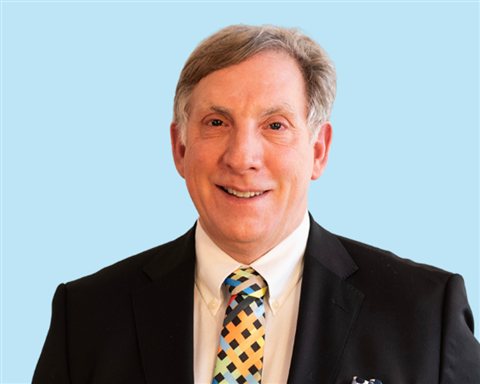
Warren Johnson, MN, RN
Co-Founder & CEO
Warren leads Scribe-X with a focus on solving documentation challenges through scalable, clinician-centered solutions. A former ICU nurse and regional nursing director at Providence Health, he brings decades of experience in clinical operations and healthcare innovation. Warren also founded ShiftWise and has dedicated his career to helping providers work more efficiently and sustainably.
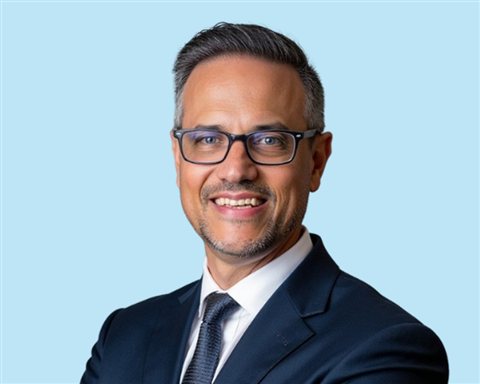
Jason Hess
President
Jason oversees business strategy and organizational growth at Scribe-X. He brings deep experience in healthcare and tech operations, previously scaling OneCreditSource.com and serving as CEO of a senior living company. His leadership drives long-term value for clinics, providers, and the teams that support them.
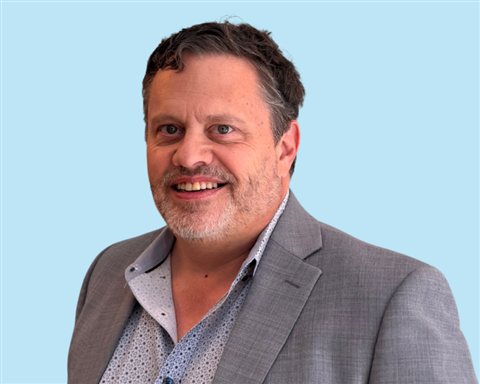
Ernie Albers
Chief Technical Officer
Ernie leads all technology development at Scribe-X. He built ScribeBridge, the HIPAA-compliant platform that connects providers to their scribes, and created the Scribe-X mobile app to support real-time documentation. Ernie also leads development of the automation and human intelligence solutions behind the Clinical Intelligence Platform.
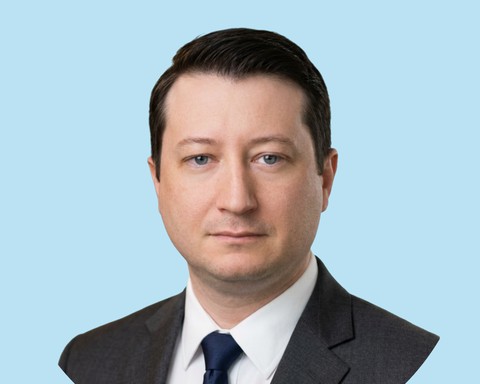
Boris Chobrutskiy
Chief Medical Informatics Officer
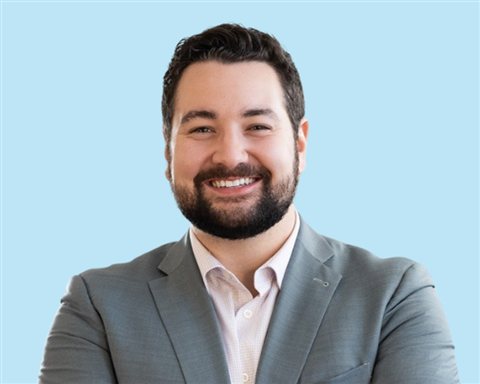
Ethan Palioca
Director of Product Strategy
Ethan leads product strategy at Scribe-X, shaping how the company's human and automation-assisted documentation solutions evolve to meet provider needs. Ethan started at Scribe-X as a medical scribe and trainer and later led national sales, giving him firsthand insight into what works at the point of care. Today, he turns that experience into products that help clinicians document smarter and spend more time with patients.
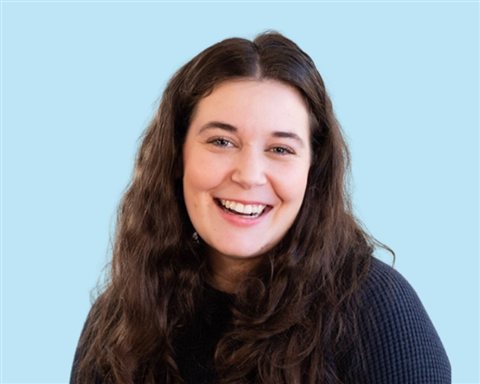
Hannah Do
Director of Operations
Hannah oversees operations and provider onboarding across new and existing clinics. With a background as a medical scribe, trainer, and operations lead, she has trained thousands of medical scribes and directly supports each provider. Her clinical knowledge and leadership help drive consistency, growth, and success across Scribe-X programs.
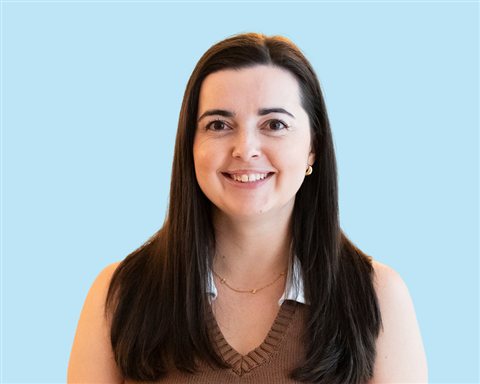
Rocki Winkler
Business Development Manager
Rocki leads relationship growth and client expansion efforts for both new and existing partners. She has worked as a scribe, trainer, educator, and operations manager, gaining deep knowledge of clinical documentation needs. Her firsthand experience allows her to build trusted partnerships and support long-term program success.
Our Advisory Board of Directors
Clinical, financial, and operating leaders who pressure-test where the platform goes next.
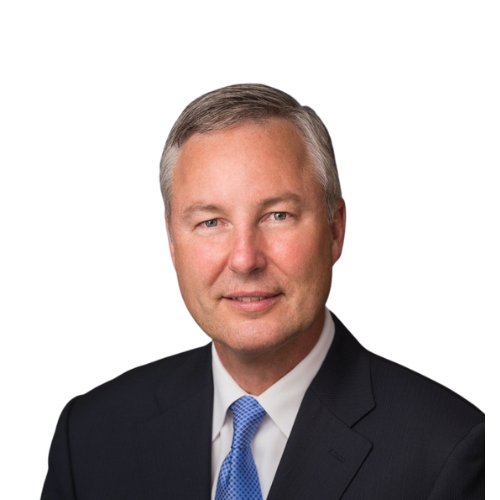
Craig Wright, MD
Consultant, Craig Wright, MD Consulting Services
Craig Wright, MD, is a board-certified family physician and healthcare executive with deep clinical and leadership experience. He has held CEO and senior executive roles at Swedish Physicians, Providence, and The Portland Clinic, and now serves as an independent consultant, executive coach, and Executive in Residence at The Health Management Academy. Dr. Wright is the board chair at Piedmont Health Systems, a board member at Comagine Health, and a strategic advisor to Scribe-X.
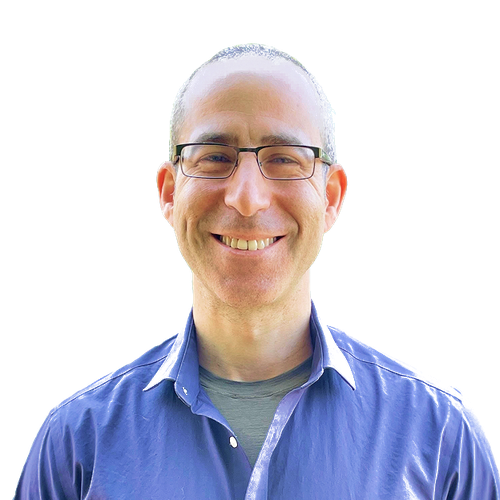
Joshua Hurwitz, MD
Co-Founder, Medical Director · President, Emergency Medicine Associates
Dr. Hurwitz is a Scribe-X cofounder. He graduated from Oregon Health and Science University medical school in 2008 and is a board-certified emergency medicine physician practicing in Vancouver, Washington. He is president of Emergency Medicine Associates, a professional emergency physician staffing company, and serves as medical director for See You at the Summit, a nonprofit organization serving adolescents battling cancer.
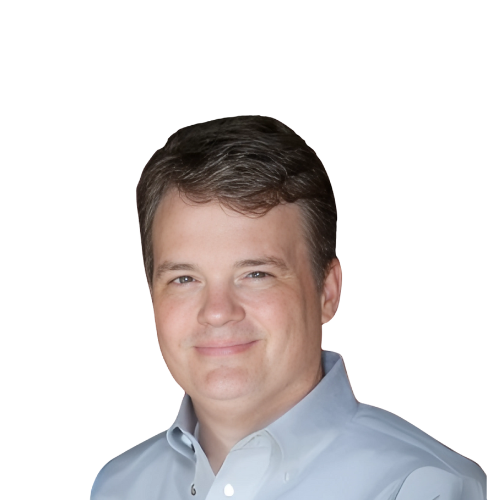
Mike Cleland
Board Chair · Founder, Charted Path
Mike Cleland is a staffing industry expert with over 25 years of experience in leadership development and organizational strategy. As founder of Charted Path, he has advised more than 125 staffing firms, from startups to $600M enterprises, on growth, structure, and performance. A former president of a $60M IT staffing firm, Mike is also a published author, speaker, and co-author of Breaking Through with SIA President Barry Asin. He's a Certified Contingent Workforce Professional and has been named to SIA's Top 100 in Staffing multiple times.
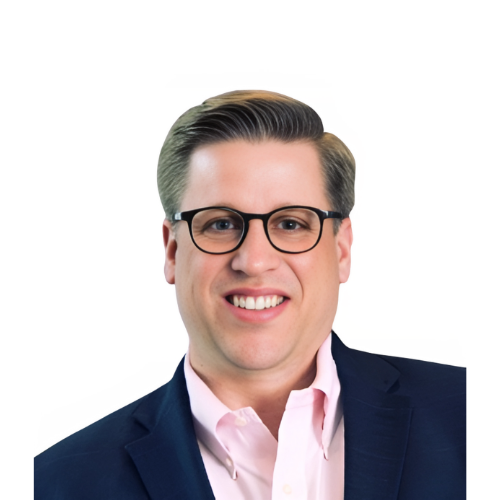
Clint Clevenger
SVP, Greenstaff Medical USA
Clint is a results-driven executive with a proven ability to lead high-performing teams through growth, change, and innovation. He brings strategic insight and analytical rigor to uncover market and operational opportunities, driving revenue and profitability across industries. Known for translating vision into action, Clint excels at building execution-focused strategies backed by clear metrics and operational discipline.
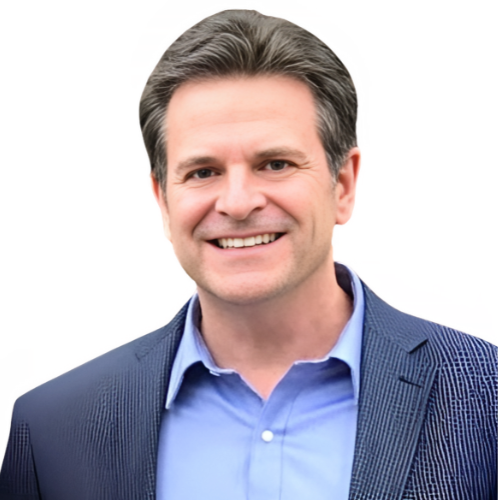
Rick Leeson, CPA
Advisor
Rick began his career with Price Waterhouse in 1990 before joining Frazier & Deeter, where he became a partner and advised clients on strategic goals, tax compliance, and financial reporting. In 2003, he became the first CFO of his current company, helping drive revenue growth from $15 million to over $100 million. Rick also serves on multiple private company boards, offering strategic guidance across the business lifecycle, including capital formation, growth, and exit planning. His current partnerships span real estate, construction, manufacturing, and staffing industries.
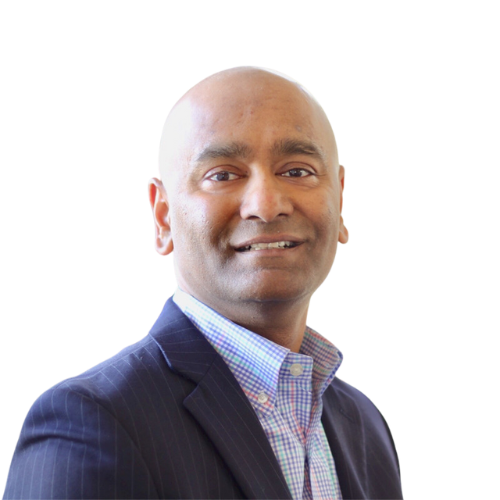
Ashish Abraham, MD
Co-Founder & CEO, Foresight Health Solutions
Dr. Ashish Abraham is a physician-executive and healthcare entrepreneur focused on care management, health equity, and data-driven solutions. He is CEO and Co-Founder of Foresight Health Solutions, an AI-powered analytics firm serving community health organizations. Previously, he founded Altruista Health and held executive roles at UnitedHealth Group and Mercer. He advises clients on SDoH analytics, quality strategy, and value-based care design.
Every organization, every size.
Set per provider
Each provider gets the solution that fits, and it changes as their needs do.
A named team
A defined support standard, a named account contact, and a regular review cadence.
Visibility built in
Account dashboards and reporting, so leadership sees what's working.
Commitments in writing
For scaled programs, coverage guarantees are available, scoped in your agreement.